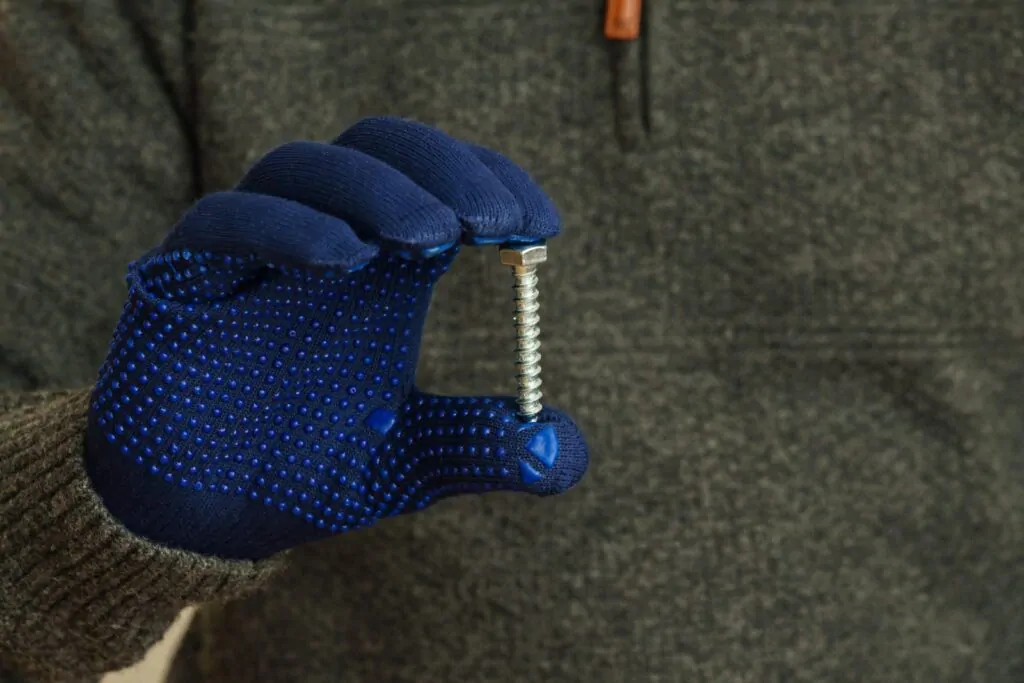
There is no such thing as one glove for everything. Someone who screws and assembles all day needs something different from someone who works with glass, sheet metal or wet materials. This is how to quickly choose the right one.
What will you be working with?
- Fine assembly work: a thin knitted glove with a PU coating on the palm. You can feel well what you are doing and keep a grip on small parts.
- Wet or greasy work: a glove with a nitrile coating. It keeps giving grip on oil and moisture.
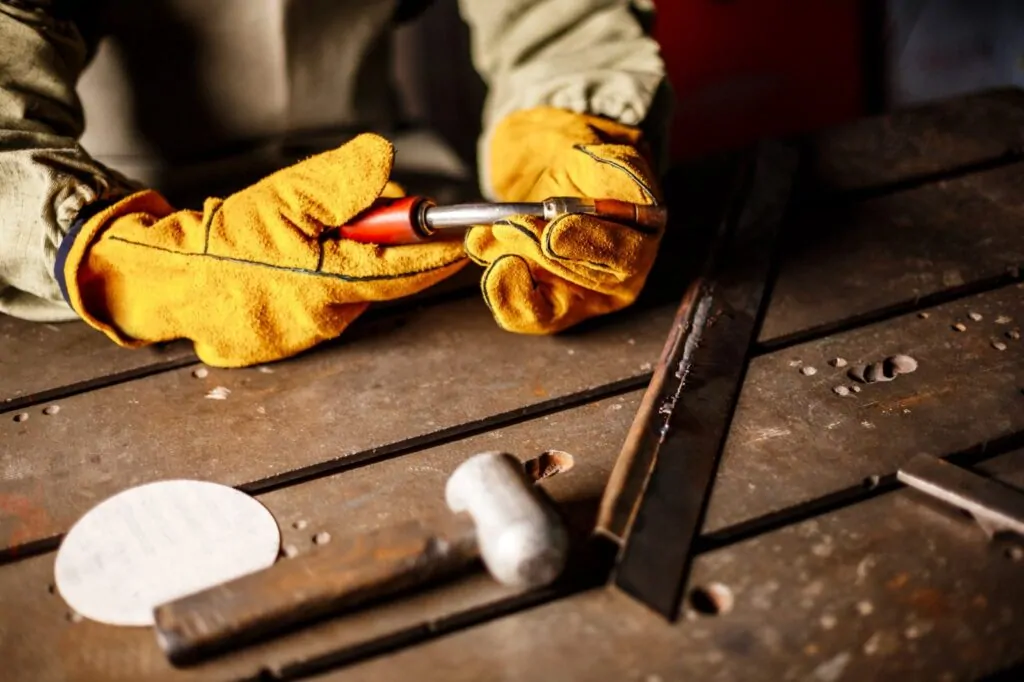
- Heavy work: leather or a thicker coated glove for stones, wood and heavy lifting.
- Sharp edges: a cut-resistant glove for sheet material, glass and metal.

What do the codes mean?
Most work gloves carry the standard EN 388 with a series of numbers and letters. These indicate how well the glove protects against wear, cuts, tears and punctures. The higher the number, the better the protection. The letter (A to F) relates to cut resistance according to a stricter test; F is the highest. Not sure? Ask us in the store.
The right size
A glove that is too big gives less grip and a greater risk of accidents. One that is too small is tight and tears more easily. Measure the circumference of your hand just below the knuckles and compare it with the size chart. Every product page on our site includes a size guide.